Step-by-Step Approaches to Achieving Flawless Drywall Repair and Setup
Achieving flawless drywall repair and installment requires a systematic technique. It includes understanding the various types of drywall and the tools needed for the task. Correct location preparation is essential before beginning any work. Interior Painting. Each action, from patching openings to installing brand-new sheets, needs focus to information. The process doesn't end with installation; completing methods are crucial for a sleek look. The next steps will guarantee a seamless outcome, however exactly what do they involve?
Comprehending Drywall Kind and Devices Needed
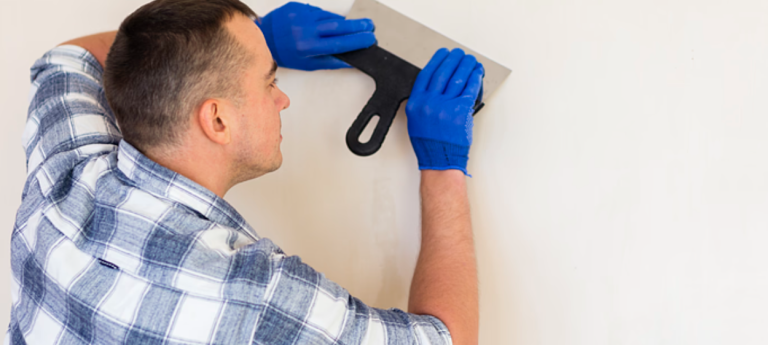
The setup devices are just as crucial. An utility blade is important for reducing drywall sheets, while a drywall saw can help in making exact cuts for components or outlets. T-squares guarantee accurate dimensions, and drywall screws or nails secure the panels to wall studs. In addition, a drywall lift can help with the installation of large sheets, decreasing physical stress. Familiarity with these kinds and tools considerably adds to the performance and top quality of drywall jobs.
Preparing the Area for Repair or Setup
Preparing the area for drywall repair service or setup is vital to assure a smooth and reliable process. First, the surrounding area ought to be free from furnishings and various other obstacles to supply adequate functioning room. This not only assures safety yet likewise prevents damage to belongings. Next, it is important to cover the flooring with ground cloth to catch any kind of particles or dust generated throughout the work.
Additionally, the wall surfaces should be evaluated for any loose paint or wallpaper that might disrupt adhesion. Eliminating these aspects produces a clean surface area for the brand-new drywall. Before start, it is advisable to switch off power to electric outlets or components in the location. Guaranteeing sufficient illumination in the office will certainly better boost exposure and focus during the repair or setup process. drywall contractors. By diligently preparing the location, one prepares for a successful drywall project
Step-by-Step Process for Patching Holes
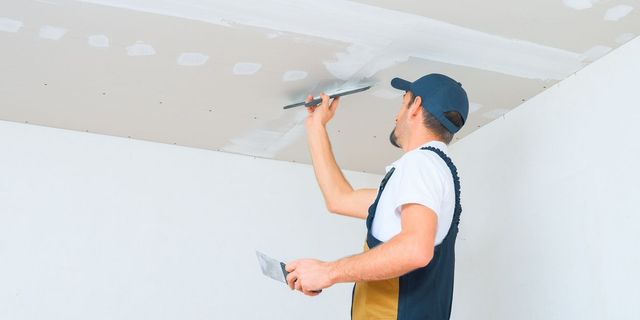
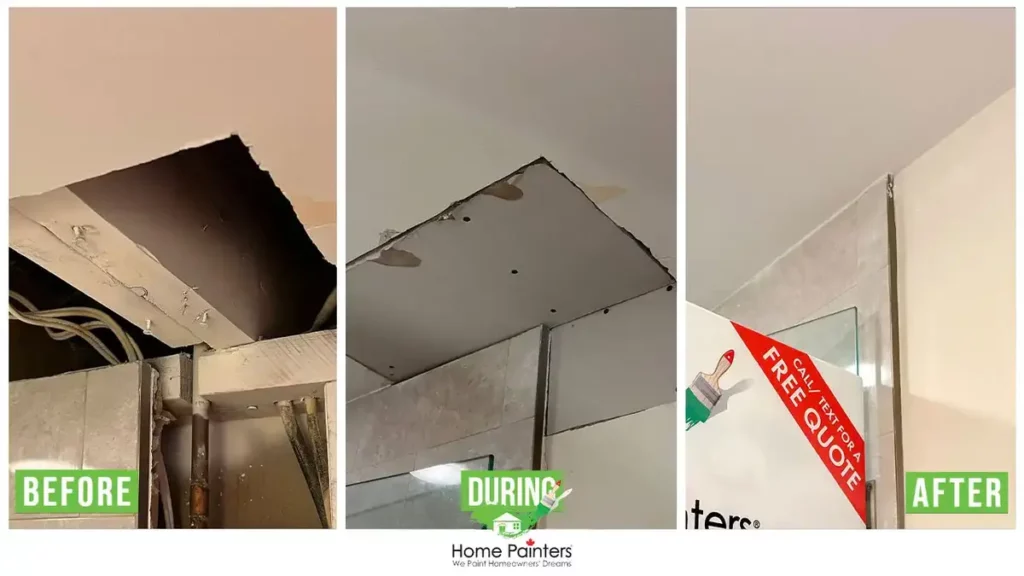
Covering holes in drywall requires an organized method to assure a seamless repair. The initial step involves assessing the size of the opening. For tiny openings, a patching substance may be enough, while larger openings demand a spot. Next, the damaged location must be cleaned up and prepared by removing any kind of loosened particles.
For tiny openings, using spackling substance with a putty blade is recommended, smoothing it over the opening and feathering the sides. Once dry, fining sand the area guarantees a smooth coating. For larger holes, a drywall spot must be cut to size, positioned over the opening, and secured with screws. After mounting the spot, the exact same spackling procedure is repeated, adhered to by fining sand.
Finally, the patched location needs to be primed and repainted to match the surrounding wall surface. This meticulous procedure assures an expert appearance and expands the life expectancy of the repair work.
Mounting New Drywall Sheets: A Comprehensive Guide
Mounting new drywall sheets calls for cautious preparation and execution to assure a aesthetically appealing and strong coating. First, the location must be gauged accurately to figure out the number of sheets required. It is vital to pick the appropriate thickness, generally 1/2-inch for indoor walls and 5/8-inch for ceilings or fire-rated applications.
Next, the studs or framework must be evaluated for any abnormalities, ensuring they are straightened and effectively spaced. When placing the drywall sheets, they should be positioned horizontally to reduce seams and enhance architectural stability. A drywall lift can be beneficial for overhead installations.
Fastening the sheets with drywall screws at suitable intervals ensures a protected installation. It is necessary to countersink the screws slightly below the surface area to get ready for the ending up procedure. Adhering to these standards will certainly bring about a strong foundation, ready for the following action in drywall ending up.
Completing Touches: Insulation, Mudding, and Fining Sand Methods
When the drywall sheets are safely secured, the focus changes to the finishing touches that will certainly provide a polished look. This procedure starts with taping, utilizing either paper or fiberglass fit together tape to cover the seams between sheets. The tape assures a smooth shift, minimizing the threat of fracturing. Adhering to insulation, mudding is essential; a joint substance is used over the tape to fill up gaps and develop a smooth surface area. Usually, several coats are needed, each one feathery out even more than page the previous to lessen visibility.
After YOURURL.com enough drying out time, fining sand is the final step in accomplishing a flawless coating. A fine-grit sandpaper is used to smooth the dried out compound, assuring there are no blemishes or bumps. Interest to detail throughout this phase is significant, as it substantially influences the general look of the wall. Completion result must be an also, professional-looking surface all set for priming and painting.
Regularly Asked Concerns
Just how Do I Select the Right Drywall Thickness for My Job?
To pick the ideal drywall density, consider the job's objective, location, and structural demands. Criterion thicknesses include 1/2-inch for basic usage and 5/8-inch for fire-rated applications, guaranteeing longevity and compliance with building regulations.
Can I Install Drywall Over Existing Drywall?
Yes, setting up drywall over existing drywall is feasible. It is essential to guarantee the underlying surface area is totally free and protected from damage. Proper fastening and consideration of thickness are vital for a successful installment.
What Are the Ideal Practices for Drywall Disposal?
The very best practices for drywall disposal consist of recycling when feasible, using local waste monitoring services, and following standards for dangerous products if suitable. Drywall Installation Ogden Utah. Correctly labeling and securing waste guarantees conformity and safety throughout disposal
For how long Should I Wait for Mud to Dry Prior To Fining sand?
Usually, one ought to wait 24 hr for drywall mud to completely dry before sanding. Nonetheless, drying time can differ based upon humidity and temperature level, so checking for a firm appearance is recommended prior to continuing.
Are There Eco-Friendly Drywall Options Available?
Yes, environment-friendly drywall options are readily available. These alternatives frequently make use of recycled materials, low-VOC adhesives, and lasting production approaches, minimizing environmental effect while providing reliable insulation and resilience for numerous building and improvement jobs.
An energy knife is crucial for cutting drywall sheets, while a drywall saw can assist in making precise cuts for fixtures or outlets. Preparing the location for drywall repair service or installation is important to assure a reliable and smooth process. Patching openings in drywall calls for a methodical strategy to guarantee a seamless fixing. Installing new drywall sheets needs mindful planning site link and execution to ensure a tough and visually attractive surface. Yes, mounting drywall over existing drywall is feasible.